
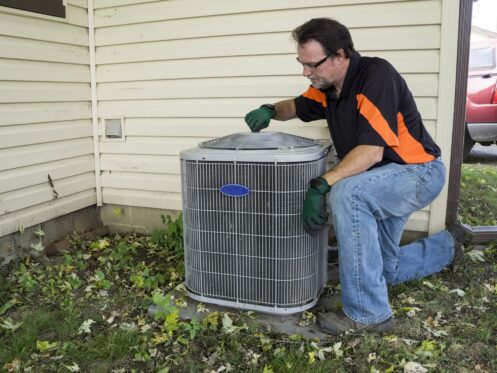
Few domestic unpleasantries match the frustration of turning on your air conditioner and feeling lukewarm or hot air blowing through the vents. When your cooling system transitions from blowing crisp, refreshing air to circulating warm air, it disrupts your indoor comfort and signals that your system is under stress. While some issues stem from simple setting oversights that you can fix in seconds, others point to mechanical failures or refrigerant leaks that require immediate attention. Understanding the common culprits behind an air conditioner blowing warm air helps you troubleshoot simple problems safely while recognizing when it is time to call a professional technician.
Simple Thermostat and Power Issues to Check First
Before assuming your entire cooling unit has suffered a total mechanical meltdown, start your investigation at the thermostat. It sounds obvious, but thermostat settings are accidentally altered far more often than most homeowners realize. Verify that your system is explicitly set to “Cool” rather than “Heat.”
Next, examine the fan setting on your thermostat interface. Thermostats typically offer two primary fan settings: “On” and “Auto.” If your thermostat fan is set to “On,” the blower fan runs continuously, even when the outdoor compressor and cooling cycle are resting. During those downtime windows, the fan simply recirculates ambient, uncooled room air through your ductwork, making it feel like your AC is blowing warm air. Switching your fan setting to “Auto” ensures that the blower operates only when the system is actively cooling the air.
Power disruptions can also cause your system to blow warm air. Central air conditioning systems rely on two separate electrical components: the indoor air handler and the outdoor condenser unit. If the circuit breaker controlling your outdoor condenser trips while the indoor air handler continues receiving power, your indoor fan will continue blowing uncooled house-temperature air through your vents. Check your electrical breaker box to confirm that both switches designated for your indoor and outdoor HVAC units remain fully engaged.
Restrictive Air Filters and Frozen Evaporator Coils
A dirty, clogged air filter is one of the most frequent causes of air conditioning malfunctions. Your system requires a steady, unobstructed volume of airflow to function correctly. When an air filter becomes coated with dust and debris, airflow drops significantly.
This severe reduction in airflow prevents the evaporator coil (located in your indoor unit) from absorbing heat from your indoor air. Without warm air constantly passing over it, the refrigerant inside the coil cannot expand properly, causing the coil’s surface temperature to drop below freezing. Moisture in the surrounding air freezes on contact, encasing the coil in a thick block of ice. Once frozen, the coil can no longer absorb heat from your home, resulting in warm air blowing from your vents.
If you inspect your indoor unit or refrigerant lines and discover ice buildup, turn your air conditioner off immediately. Continuing to run an AC with a frozen coil places extreme strain on the compressor and can lead to permanent motor failure. Allow the system to thaw completely before replacing the air filter and attempting to restart the unit.
Refrigerant Leaks and Outdoor Unit Obstructions
Your air conditioner does not manufacture cold air; rather, it absorbs heat from inside your home and transfers it outdoors using a chemical compound called refrigerant. Refrigerant circulates through a closed, pressurized loop between your indoor and outdoor coils. Under normal operating conditions, your system never consumes or burns through refrigerant.
If your system develops a leak in its copper refrigerant lines, the drop in pressure starves the system of its heat-absorbing capability. As refrigerant levels diminish, the air conditioner loses its capacity to cool the incoming air, resulting in weak, lukewarm airflow. Common signs of a refrigerant leak include a hissing or bubbling sound near the indoor or outdoor coils and ice accumulation along the copper lines. Because refrigerant is a regulated chemical compound that requires specialized equipment and licensing to handle, fixing a leak requires professional technician intervention.
The outdoor condenser unit also plays a vital role in shedding heat. If the outdoor unit becomes choked with leaves, dirt, grass clippings, or overgrown landscaping, it cannot release heat into the outside atmosphere efficiently. This thermal buildup causes the system to overheat, forcing the compressor to shut down as a safety precaution while the indoor fan continues pushing uncooled air through your home.
Electrical Component Failures and Condenser Malfunctions
Inside your outdoor condenser unit, several specialized electrical components work together to power the compressor and condenser fan. The dual-run capacitor acts like a heavy-duty battery, supplying the initial surge of electrical power needed to start the compressor and fan motor.
Over time, summer heatwaves and general wear cause capacitors to degrade or bulge, preventing the compressor from starting. When the capacitor fails, the outdoor fan or compressor remains dormant, leaving the indoor blower fan to circulate uncooled air. Similarly, faulty contactors or failed compressor motors stop the cooling cycle entirely.
When to Call a Professional Technician
While replacing a dirty air filter or adjusting thermostat settings are simple tasks you can handle yourself, most air conditioning issues require professional expertise. You should call a certified HVAC technician if:
- You have replaced the filter and reset the breaker, but the air remains warm after one hour.
- You notice ice forming along the refrigerant lines or indoor coil.
- You hear unusual hissing, clicking, screeching, or buzzing sounds coming from the indoor or outdoor units.
- The outdoor condenser unit fails to turn on while the indoor fan is running.
- You suspect a refrigerant leak or smell burning odors coming from your vents.
Continuing to run a malfunctioning air conditioner can transform a minor, inexpensive repair into a costly total compressor failure. Promptly scheduling a diagnostic visit with a residential AC repair technician restores your home’s comfort and keeps your system running efficiently all summer long.
Frequently Asked Questions
Why does a refrigerant leak cause my air conditioner to blow warm air?
Your air conditioner uses refrigerant in a continuous, closed loop to absorb heat from inside your home and release it outdoors. If a leak develops in the copper refrigerant lines, the system loses its chemical pressure and heat-absorbing capacity. As refrigerant levels drop, the system can no longer extract heat from your indoor air, causing the unit to circulate warm or lukewarm air through your vents instead.
How does a frozen evaporator coil happen, and what should I do if I see ice on my AC unit?
An evaporator coil freezes when restricted airflow (often caused by a clogged air filter or blocked vents) prevents warm room air from reaching the coil. Without warm air passing over it, the refrigerant inside stays too cold, causing ambient moisture to freeze into a solid block of ice over the coil. If you notice ice, turn your AC off immediately at the thermostat to prevent permanent compressor damage, let the unit thaw completely, replace your air filter, and call a technician if the freezing recurs.
When should I stop troubleshooting and call a professional HVAC technician?
You should call a certified technician if basic troubleshooting does not resolve the issue within an hour. Professional help is mandatory if you hear hissing or screeching sounds, see ice on the refrigerant lines, detect electrical or burning smells, or notice that the outdoor condenser unit refuses to turn on while the indoor fan is running.