
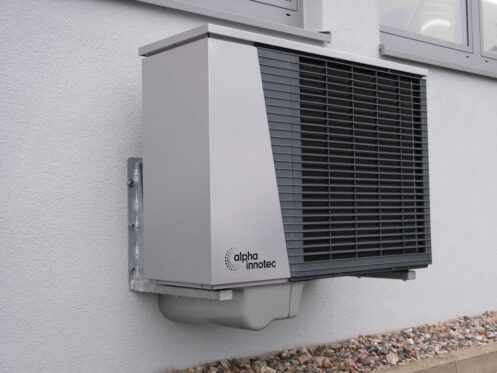
What maintenance does a heat pump require?
A heat pump requires regular maintenance that includes checking for refrigerant leaks, inspecting electrical terminals, cleaning and tightening electrical connections, applying a nonconductive coating when needed, lubricating motors, inspecting belts for wear and proper tension, and verifying that the electrical controls switch correctly between heating and cooling modes.
Why Is Regular Heat Pump Maintenance Important?
Routine heat pump maintenance helps keep your system operating as intended throughout the year. Because a heat pump provides both heating and cooling, it relies on multiple mechanical and electrical components working together efficiently. Regular inspections allow potential issues to be identified before they affect system performance or comfort.
A complete maintenance visit focuses on the condition of key components rather than simply cleaning the unit. Checking refrigerant levels and inspecting electrical connections helps ensure the system can safely transition between heating and cooling while maintaining reliable operation.
For homeowners, staying current with recommended maintenance can also help identify normal wear before it develops into a larger repair. Addressing small issues early often makes servicing more straightforward and helps maintain dependable performance over time.
What Does Professional Heat Pump Maintenance Include?
Professional heat pump maintenance involves inspecting several important parts of the system to confirm they are functioning properly.
Refrigerant Leak Inspection
One of the first maintenance tasks is checking for refrigerant leaks. A heat pump depends on the proper amount of refrigerant to transfer heat efficiently. If refrigerant is leaking, the system may not heat or cool as effectively as intended. Identifying leaks early allows the underlying issue to be addressed before it affects overall performance.
Electrical Component Inspection
Electrical terminals should be inspected carefully during maintenance. Loose or corroded connections can affect system operation and may lead to unnecessary wear on electrical components.
Maintenance typically includes:
-
Inspecting electrical terminals
-
Cleaning connections when necessary
-
Tightening loose electrical connections
-
Applying a nonconductive coating where appropriate
These steps help maintain reliable electrical operation and support safe system performance.
Motor and Belt Inspection
Moving components also require routine attention. Motors may need lubrication depending on the manufacturer’s recommendations. Belts should be inspected for proper tension and signs of wear.
A worn or loose belt can affect system operation, while proper lubrication helps reduce unnecessary friction on applicable motor components.
Electrical Control Verification
Another important part of maintenance is verifying that the electrical controls operate correctly.
The technician confirms that:
-
Heating is locked out when the thermostat calls for cooling.
-
Cooling is not operating when the thermostat calls for heating.
-
The system changes modes properly based on thermostat settings.
This helps ensure the heat pump responds correctly throughout changing weather conditions.
Heat Pump Maintenance for Homes in Denver, Colorado
In Denver, Colorado, heat pumps often operate throughout much of the year because they provide both heating during colder months and cooling during warmer weather. This year-round use makes regular maintenance especially valuable.
Seasonal temperature changes can place different demands on the system. Scheduling routine inspections helps confirm that refrigerant levels, electrical components, motors, belts, and control systems are ready before heavy heating or cooling seasons begin.
Whether your heat pump is preparing for winter heating or summer cooling, regular maintenance can help keep the system operating as designed for Denver’s changing climate.
Myth: Heat Pumps Only Need Maintenance When Something Goes Wrong
A common misconception is that a heat pump only needs service if it stops heating or cooling.
In reality, routine maintenance is designed to inspect important components before noticeable problems occur. Checking refrigerant, electrical connections, motors, belts, and system controls helps identify normal wear and correct minor issues during scheduled service rather than waiting for performance concerns to develop.
Regular maintenance is a preventive approach that supports consistent operation throughout the year.
How Often Should Heat Pump Maintenance Be Scheduled?
Because heat pumps provide both heating and cooling, they experience year-round use in many homes. Scheduling regular maintenance allows technicians to inspect the system before seasonal demands increase.
During a maintenance visit, professionals can confirm that refrigerant levels, electrical connections, motors, belts, and control systems are functioning properly. This proactive approach helps ensure the system is prepared for both heating and cooling operation without changing the manufacturer’s intended performance.
FAQ
How do I know if my heat pump needs maintenance?
Reduced heating or cooling performance, unusual noises, or visible wear on system components may indicate it’s time for a professional inspection and routine maintenance.
Why is checking for refrigerant leaks important?
Refrigerant is essential for heat transfer. Inspecting for leaks helps ensure the system operates properly and allows any issues to be identified before they worsen.
Should electrical connections be inspected during maintenance?
Yes. Electrical terminals should be inspected, cleaned if needed, tightened, and protected with a nonconductive coating when appropriate to support reliable operation.
Do heat pumps require maintenance even if they seem to work normally?
Yes. Routine maintenance helps inspect important components such as refrigerant, electrical controls, motors, and belts before normal wear affects system performance.
What maintenance does a heat pump require?
A heat pump requires regular maintenance that includes checking for refrigerant leaks, inspecting and tightening electrical connections, lubricating motors when needed, inspecting belts for wear, and verifying that the system’s controls operate correctly between heating and cooling modes. Regular maintenance helps keep heat pumps operating reliably in Denver’s changing seasons.
Conclusion
Heat pumps require regular maintenance that includes checking for refrigerant leaks, inspecting electrical terminals, cleaning and tightening connections, applying a nonconductive coating when needed, lubricating motors, inspecting belts, and verifying proper electrical control between heating and cooling modes. These maintenance tasks help ensure the system continues operating as intended throughout the year.