
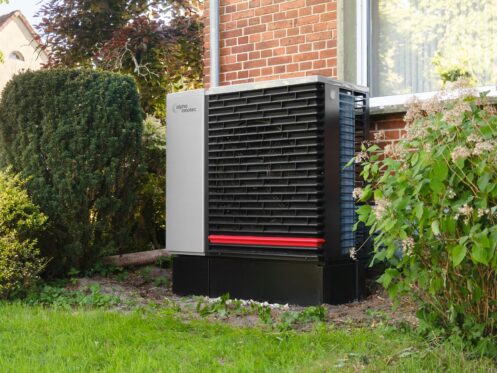
Is it worth installing a heat pump?
Yes, installing a heat pump can be worth it for many homeowners because it provides efficient heating and cooling without burning fossil fuels. Heat pumps run on electricity, which can be paired with renewable energy sources such as solar panels. Whether a heat pump is the right choice depends on your home’s needs, comfort goals, and existing HVAC system.
How does a heat pump work?
A heat pump transfers heat rather than generating it by burning fuel. During colder months, it pulls heat from the outdoor air and moves it indoors. In warmer months, the process reverses, removing heat from your home to help keep it comfortable.
Because heat pumps move heat instead of creating it through combustion, they can be an environmentally friendly option for homeowners looking to reduce their reliance on gas or oil heating systems. They also provide both heating and cooling in a single system, making them a versatile solution for year-round comfort.
If your current HVAC system is aging or you’re planning a replacement, a heat pump may be worth considering as part of your long-term home comfort strategy.
What are the advantages of installing a heat pump?
One of the biggest reasons homeowners choose a heat pump is its ability to provide heating and cooling with one system. Instead of maintaining separate equipment, you can often rely on a single unit throughout the year.
Other potential advantages include:
-
Reduced reliance on fossil fuels for home heating
-
Compatibility with electricity generated from renewable sources, including solar panels
-
Consistent indoor comfort during both heating and cooling seasons
-
A single system that handles year-round temperature control
Whether these advantages are right for your home depends on your property’s needs, your existing HVAC system, and your comfort goals.
Are there any drawbacks to installing a heat pump?
Although heat pumps offer many benefits, they are not the right solution for every property. Whether a heat pump is the best option depends on factors such as your home’s insulation, existing HVAC equipment, and heating and cooling needs.
A professional HVAC evaluation can help determine whether a heat pump is a practical choice for your home’s layout, current system, and comfort goals.
In many cases, choosing a heat pump comes down to finding the system that best fits your household’s long-term heating and cooling needs.
Is a heat pump a good choice for homes in Denver, Colorado?
For many homeowners in Denver, Colorado, a heat pump can be a practical option because it provides both heating and cooling in one system. Since the area experiences changing weather throughout the year, having equipment designed to handle multiple seasons can be beneficial.
A professional assessment is especially important because every home in Denver is different. Factors such as insulation, the age of your existing HVAC system, and your comfort preferences all play a role in determining whether a heat pump is the best solution for your property.
If you’re considering upgrading your HVAC system in Denver, Colorado, understanding how a heat pump fits your home’s specific needs can help you make a more informed decision.
Myth: Heat pumps are only useful in warm climates
A common misconception is that heat pumps are only suitable for areas with mild temperatures. In reality, many homeowners consider heat pumps because they can provide both heating and cooling throughout the year.
Whether a heat pump is the right choice depends less on the myth and more on factors such as your home’s design, your comfort expectations, and the system selected for your property. A professional evaluation can help determine if a heat pump is an appropriate fit.
FAQ
Can a heat pump replace both my furnace and air conditioner?
In many homes, a heat pump can provide both heating and cooling. Whether it can fully replace your existing equipment depends on your home’s needs and HVAC system design.
Do heat pumps use electricity?
Yes. Heat pumps operate using electricity instead of burning natural gas or oil, and they may also work alongside electricity generated from renewable energy sources such as solar panels.
How long does a heat pump typically last?
The lifespan of a heat pump varies depending on maintenance, usage, and operating conditions. Regular professional maintenance helps keep the system performing as intended.
Should I have my home evaluated before installing a heat pump?
Yes. A professional HVAC assessment can help determine whether a heat pump is suitable for your home based on your current system, insulation, and comfort requirements.
Is it worth installing a heat pump?
Yes, installing a heat pump can be worthwhile if you want an energy-efficient heating and cooling system that reduces reliance on fossil fuels. Heat pumps can provide efficient year-round comfort, and many homeowners in the Denver area choose them for their energy efficiency and compatibility with electricity generated from renewable sources.
Conclusion
Installing a heat pump can be worth it if you’re looking for an efficient system that provides both heating and cooling while reducing reliance on fossil fuels. Whether it’s the right solution depends on your home’s layout, existing HVAC equipment, and comfort goals.