
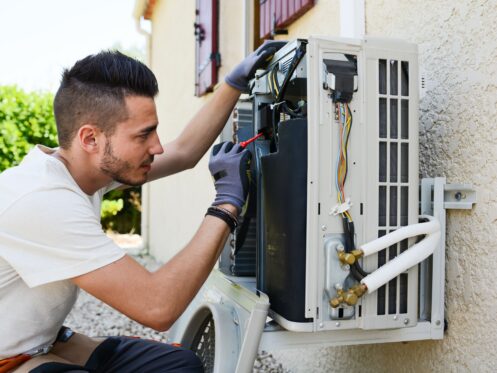
An air conditioner works hard every day, especially during the warmer months, and like any machine with moving parts, it needs attention now and then to keep running smoothly. Regular tune-ups help ease the daily strain on coils, filters, electrical parts, and refrigerant levels, which are the pieces that keep a system cool and steady, and homeowners who build this into a habit often find their unit stays dependable for a longer stretch of time.
Why Tune-Ups Extend AC Lifespan
A cooling system is made up of several parts that all depend on each other. When one part struggles, the rest of the system often has to work harder to make up for it, and small problems have a way of piling on top of one another if nothing steps in to catch them.
Routine tune-ups give a trained eye the chance to notice these small issues before they grow into bigger ones, which is part of why the habit matters so much.
Clean Coils Prevent Overheating
Coils that collect dust and grime have a harder time releasing heat the way they are supposed to. When that happens, the compressor has to work overtime just to keep up, and that extra effort adds wear that builds up over time. A simple cleaning during a tune-up helps the coils do their job properly.
Steady Airflow Stops Frozen Coils
Airflow plays a bigger role than most people realize.
A clogged filter or a blocked vent can slow air movement enough to cause coils to freeze over, which lowers cooling performance and leaves rooms feeling less comfortable than they should. A tune-up usually includes a look at airflow so these blockages get noticed and cleared out early, before they have a chance to affect the rest of the system.
Electrical Checks Prevent Sudden Failures
Parts like capacitors and contactors naturally wear down with use, and they tend to do so quietly. Left unchecked, they can fail without much warning, often at an inconvenient time. Having these components inspected on a regular basis lowers the odds of an unexpected shutdown, which can save a household from dealing with a breakdown on a particularly hot day.
Refrigerant Levels Support Efficiency
Refrigerant is what allows a system to absorb and release heat. When levels run low, it usually points to a small leak somewhere in the line, and a system with low refrigerant tends to run longer than it should to reach the same result. That extra run time puts added pressure on the compressor over time. Checking refrigerant levels during a tune-up is a small step that helps the whole system keep working the way it was designed to.
Benefits That Come With Regular Tune-Ups
The advantages of routine maintenance go beyond just avoiding repairs. A well-maintained system tends to place less strain on the compressor and blower motor, since every part is working the way it should, and that lighter load tends to show up in how the unit sounds and feels day to day. Efficiency often improves too, which can be noticed in steadier cooling and a system that does not have to run as long to reach the desired temperature.
Fewer surprise breakdowns are another common benefit, since many common issues get spotted and addressed early rather than left to grow. Over time, this combination of reduced strain and better performance tends to help a unit hold up for a longer part of its expected lifespan. It can also ease pressure on monthly utility costs, since a system that runs efficiently generally does not need to work as hard to keep a home comfortable.
Simple Steps Homeowners Can Take
While a professional tune-up covers the details that need a trained hand, there are things homeowners can do on their own to support the system between visits. Filters should be checked and swapped out on a regular basis, especially during the months when the system runs the most. The outdoor unit also benefits from staying clear of leaves, grass clippings, and other debris that can build up around it over time.
Scheduling a professional visit before the start of the cooling season is another helpful habit, since it gives a technician time to address anything that needs attention before demand picks up. It also helps to have ductwork looked at now and then, since leaks in the duct system can quietly waste the cooling a unit produces without anyone noticing right away. Keeping the thermostat at a steady setting, rather than adjusting it sharply throughout the day, is one more small change that reduces the amount of stress placed on the compressor.
What Happens When Tune-Ups Are Skipped
Skipping regular maintenance does not mean a system will fail right away, but it does mean small issues have more room to grow over time. A unit that never gets checked may end up working harder than it needs to, which can shorten its useful life compared to one that receives regular care. Repairs and replacements also tend to cost more when they are unplanned, since emergency situations often come with less flexibility.
Choosing routine care simply gives a system a better chance to perform well for as long as possible, and it is a habit that pairs naturally with any residential AC repair plan a homeowner already has in place.
Keeping an air conditioner in good shape does not have to be complicated, and a little routine care goes a long way toward keeping a home comfortable for years to come. Reach out to our team to schedule a tune-up or to talk through any questions about keeping your system running well.
Frequently Asked Questions
How often should an AC unit be tuned up?
Most systems benefit from a professional check once a year, ideally before the season when the unit will be used the most.
Can a tune-up help lower energy bills?
Yes, a system that runs efficiently generally uses less energy to reach the same level of cooling. Over time, that can be reflected in lower monthly utility costs, especially during the months of heaviest use.
Is a tune-up only needed for older systems?
No. Even newer units benefit from regular checks, since catching small issues early helps a system stay reliable no matter its age.
What is usually included in a tune-up visit?
A typical visit includes a look at coils, airflow, electrical components, and refrigerant levels, along with a general check of how the system is running overall. A technician may also check the thermostat settings and take note of anything worth watching in the months ahead.
Will skipping a season really make a difference?
It can. A single missed check is not usually a major concern on its own, but small issues tend to build over time, so staying consistent year to year makes the biggest difference.