
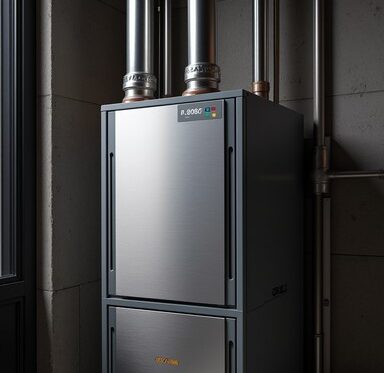
How does the average lifespan of a furnace affect your HVAC system? Homeowners in Greenwood Village, CO often begin asking this question when heating performance starts to decline during colder months. Your furnace plays a major role in the overall operation of your HVAC system, and as it ages, it can affect efficiency, comfort, energy usage, and system reliability. Understanding how furnace lifespan impacts the rest of the HVAC system can help homeowners make better long-term decisions about maintenance and replacement planning. Homeowners in nearby areas like Centennial, Cherry Hills Village, Englewood, and Littleton may experience many of the same heating concerns during Colorado winters.
Most furnaces have an average lifespan of about 15 to 20 years. However, performance changes gradually over time, and older systems usually require more effort to maintain consistent indoor comfort. While proper maintenance can extend furnace life, aging components eventually begin to affect overall HVAC operation.
How Aging Furnaces Lose Efficiency
As a furnace gets older, internal parts naturally wear down through years of heating cycles. Components like burners, motors, heat exchangers, and airflow systems become less efficient, forcing the furnace to work harder to produce the same level of heat.
This decline in efficiency can lead to:
-
Higher energy usage
-
Longer heating cycles
-
Increased strain on system components
-
Reduced airflow performance
In Greenwood Village, CO, where winter temperatures can remain cold for extended periods, these efficiency losses become more noticeable. Older systems may struggle to keep up with heating demands during peak winter conditions.
Increased Strain on the HVAC System
A furnace does not operate independently. It works together with the rest of the HVAC system to distribute heat throughout the home. When the furnace begins struggling due to age, other components are forced to compensate.
An aging furnace can place additional stress on:
-
Blower motors
-
Airflow systems
-
Thermostat controls
-
Ductwork performance
Over time, this strain may increase wear on the entire HVAC system and contribute to additional repair needs. Homeowners sometimes notice inconsistent temperatures from room to room or reduced airflow as the system becomes less balanced.
More Frequent Furnace Repairs
One of the clearest signs of furnace aging is an increase in repair frequency. Older systems often experience recurring issues because components gradually weaken over time.
Common furnace problems include:
-
Ignition failures
-
Short cycling
-
Weak airflow
-
Unusual noises
-
Inconsistent heating
Repeated repair visits can become frustrating for homeowners. In some situations, frequent repairs may indicate that the system is nearing the end of its dependable lifespan.
Uneven Heating Throughout the Home
As furnace efficiency declines, indoor comfort may become inconsistent. Some rooms may remain colder than others because the system struggles to distribute heat evenly throughout the property.
This often happens because:
-
Airflow becomes restricted
-
Blower performance weakens
-
System capacity decreases
-
Ductwork strain increases
In Greenwood Village, CO, uneven heating can create major comfort issues during winter months when reliable indoor warmth is especially important.
Greater Risk of Winter Breakdowns
Older furnaces are more likely to fail during periods of heavy demand. Cold winter conditions place significant stress on aging systems, especially if maintenance has been delayed or neglected.
Unexpected furnace failure can lead to:
-
Emergency heating interruptions
-
Temporary loss of indoor comfort
-
Increased stress during winter weather
-
Greater strain on aging HVAC equipment
Planning ahead with inspections and system evaluations can help homeowners avoid unexpected heating emergencies during colder months.
Why Furnace Inspections Matter
Professional furnace inspections allow homeowners to better understand the condition and remaining lifespan of their system. A trained HVAC technician can identify worn components, airflow problems, safety concerns, and efficiency issues before they become larger problems.
An inspection may evaluate:
-
Furnace age and condition
-
Heating performance
-
Airflow efficiency
-
Safety controls
-
Overall HVAC compatibility
This information helps homeowners make informed decisions about maintenance, repairs, or replacement timing.
How Maintenance Helps Extend Furnace Life
Routine furnace maintenance plays a major role in protecting HVAC system performance. Preventative service helps reduce wear on internal components while improving efficiency and reliability.
Regular maintenance can help:
-
Improve airflow
-
Reduce system strain
-
Support better heating performance
-
Prevent unexpected breakdowns
-
Extend furnace lifespan
Even older furnaces may continue operating more efficiently when they receive consistent professional maintenance.
Choosing the Right Time for Furnace Replacement
Eventually, every furnace reaches a point where replacement becomes the more practical long-term option. Homeowners should consider replacement when heating performance declines significantly or the system struggles to maintain comfort consistently.
A newer furnace may provide:
-
Improved energy efficiency
-
Better indoor comfort
-
More reliable heating
-
Improved airflow performance
-
More consistent temperature control
Choosing the right replacement timing can help homeowners avoid emergency situations while improving overall HVAC performance.
Why Greenwood Village Homeowners Trust Premier Heating and Air
Homeowners in Greenwood Village, CO rely on Premier Heating and Air for professional heating evaluations, furnace inspections, and HVAC guidance tailored to Colorado winters. Understanding how furnace lifespan affects the entire HVAC system helps homeowners make smarter decisions about maintenance and replacement planning.
Whether your furnace is showing signs of aging or simply not performing like it once did, professional evaluation can help identify the best next steps for your home and comfort needs.
Check out our FAQ: https://premieraircolorado.com/faqs/#how-does-the-average-lifespan-of-a-furnace-affect-your-hvac-system
Watch our Video: