
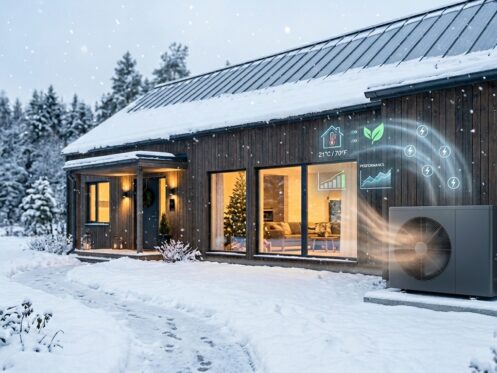
Do heat pumps consume more electricity during the winter season?
Yes, heat pumps typically consume significantly more electricity during the winter season than they do in summer. As outdoor temperatures drop, the system must work harder to extract heat from the air, reducing efficiency and increasing energy consumption. Electricity use can rise even further when auxiliary or backup heating activates during extremely cold conditions.
Why Heat Pumps Use More Electricity in Winter
Heat pumps are known for their energy efficiency, but their performance changes with outdoor temperatures. During the summer, a heat pump removes heat from inside your home and transfers it outdoors. This process is generally very efficient and requires a moderate amount of electricity.
In winter, however, the system performs the opposite function. It must pull heat from the outdoor air and move it inside your home. While this remains an efficient heating method compared to many alternatives, the process becomes more challenging as temperatures fall.
The colder the outdoor air becomes, the less heat energy is available for the heat pump to capture. As a result, the system must work harder and consume more electricity to maintain comfortable indoor temperatures.
How Cold Weather Affects Heat Pump Efficiency
One of the primary reasons winter energy consumption increases is a reduction in the heat pump’s efficiency, often measured by its Coefficient of Performance (COP).
As the temperature difference between the outdoor environment and the desired indoor temperature grows, the heat pump requires more energy to transfer heat. This means:
-
More electricity is needed to generate the same amount of indoor heat.
-
The compressor operates more frequently and for longer periods.
-
Overall system efficiency declines compared to milder weather conditions.
Even though a heat pump may still be more efficient than some traditional heating systems, it will generally use more electricity in January than it does during a mild spring or summer month.
Longer Operating Cycles
Another factor is runtime. During colder weather, a heat pump often runs for longer periods to keep indoor temperatures stable.
Longer operating cycles are normal and help maintain comfort throughout the home. However, increased runtime naturally leads to higher electricity consumption, especially during extended cold spells.
What Is Auxiliary Heat and Why Does It Matter?
Many homeowners notice a significant increase in electricity usage when auxiliary or backup heating activates.
Auxiliary heat is typically an electric resistance heating system built into the HVAC equipment. It is designed to help the heat pump during extremely cold weather or when the system needs to quickly raise indoor temperatures.
While effective, electric resistance heating uses substantially more electricity than standard heat pump operation.
When outdoor temperatures fall below the system’s effective operating range, the backup heat may turn on automatically. This can dramatically increase energy usage because:
-
Resistance heating converts electricity directly into heat.
-
It lacks the efficiency advantages of a heat pump.
-
It may consume several times more electricity than normal heat pump operation.
For homeowners in Denver, Colorado, understanding when auxiliary heat is running can help explain seasonal spikes in utility bills.
Heat Pumps and Winter Weather in Denver, Colorado
Denver experiences a wide range of winter temperatures, making it an important consideration for heat pump performance.
Modern cold-climate heat pumps are designed to operate efficiently in lower temperatures than older models. However, they still require more electricity during winter than summer because heating a home demands more energy than cooling it.
In Denver, Colorado, homeowners may experience:
-
Increased electricity use during cold snaps.
-
Longer heating cycles during extended winter weather.
-
Occasional activation of backup heating during very low temperatures.
Homes with strong insulation, sealed ductwork, and energy-efficient windows often experience lower winter operating costs because the heat pump does not have to work as hard to maintain indoor comfort.
Common Myth: A Heat Pump Becomes Inefficient and Useless in Winter
A common misconception is that heat pumps stop working effectively once temperatures become cold.
In reality, modern heat pumps continue to provide reliable heating throughout much of the winter season. While they do consume more electricity as temperatures drop, that does not mean they stop functioning or become an ineffective heating solution.
The more accurate statement is that efficiency decreases in colder weather, and electricity consumption increases accordingly. Modern cold-climate systems are specifically engineered to perform in winter conditions, though they still use more energy than they do during summer operation.
What Factors Influence Winter Electricity Consumption?
Several factors affect how much electricity a heat pump uses during winter:
-
Climate: Colder regions generally require more heating energy.
-
Home Insulation: Poor insulation allows heat to escape, increasing system workload.
-
Heat Pump Technology: Newer cold-climate models often perform better in low temperatures.
-
Thermostat Settings: Higher indoor temperature settings require more energy.
-
System Maintenance: Dirty filters and neglected maintenance can reduce efficiency.
By addressing these factors, homeowners can often reduce winter energy consumption while maintaining comfort.
FAQ
Is it normal for my electric bill to increase during winter with a heat pump?
Yes. Heat pumps generally use more electricity in winter because they must work harder to extract heat from colder outdoor air and may rely on auxiliary heating during extreme temperatures.
Do all heat pumps use backup heat in cold weather?
Not always. Modern cold-climate heat pumps can operate effectively at lower temperatures, but many systems still use auxiliary heat when conditions become extremely cold.
Can better insulation reduce heat pump energy usage?
Yes. Good insulation helps retain indoor heat, reducing the workload on the heat pump and lowering overall electricity consumption during winter.
Are heat pumps still efficient in winter?
Yes. Although efficiency decreases as outdoor temperatures drop, heat pumps typically remain an efficient heating option and continue to provide reliable indoor comfort.
Check out our FAQ: Do Heat Pumps Consume More Electricity During The Winter Season?
Conclusion
Heat pumps do consume more electricity during the winter season because colder temperatures reduce efficiency, increase operating times, and may trigger auxiliary heating. While energy use rises, heat pumps remain an effective and efficient way to heat many homes.