
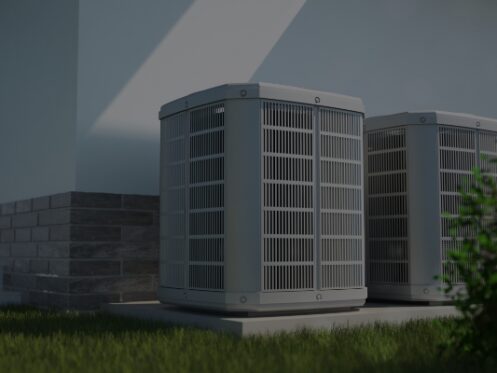
Do heat pumps consume a significant amount of electricity?
Heat pumps use a moderate amount of electricity but are highly efficient, typically consuming 2–5 times less energy than traditional electric furnaces or baseboard heaters. While they are often one of the largest energy users in a home, their efficiency usually leads to lower overall utility bills because they move heat instead of generating it directly.
Heat pumps have become a popular option for homeowners looking to improve energy efficiency and reduce heating and cooling costs. In Denver, Colorado, where temperatures can shift dramatically between seasons, many homeowners want to know whether a heat pump will significantly increase electricity use or help lower monthly utility bills over time.
The answer is that while heat pumps do use electricity consistently throughout the year, they are designed to use that electricity far more efficiently than many traditional heating systems.
Why Are Heat Pumps Considered Energy Efficient?
One of the main reasons heat pumps are considered efficient is because they move heat instead of creating it. Traditional electric furnaces and baseboard heaters generate heat directly, which requires much more energy.
A heat pump typically provides:
-
3 units of heat for every 1 unit of electricity consumed
-
Roughly 300% efficiency
-
Lower energy consumption compared to electric resistance heating
This means homeowners often see lower overall operating costs even if the heat pump itself uses electricity regularly.
According to the information provided, heat pumps generally consume 2–5 times less energy than traditional electric heating systems.
For homeowners in Denver, Colorado, this can make a major difference during long heating seasons.
How Much Electricity Does a Heat Pump Use Annually?
A typical residential heat pump uses approximately 4,500–5,500 kWh annually, with the average home using around 5,475 kWh per year.
However, electricity use can vary significantly depending on factors such as:
-
Home size
-
Climate conditions
-
Insulation quality
-
System efficiency
-
Thermostat settings
Some homes may use as little as 400 kWh annually, while larger homes in colder climates may exceed 22,000 kWh per year.
The important point is that higher electricity usage does not automatically mean higher overall costs. Because heat pumps operate so efficiently, they often cost less to run than oil, propane, or electric resistance systems.
For more information on heat pump electricity usage, homeowners can review resources like EnergySage.
Do Heat Pumps Use More Electricity in Cold Weather?
Yes, heat pumps generally consume more electricity during very cold weather.
As outdoor temperatures drop well below freezing, the system has to work harder to transfer heat indoors. This decreases efficiency and increases electricity consumption.
In Denver, Colorado, winter weather can place additional demand on heating systems during cold snaps. However, modern high-efficiency and cold-climate heat pumps are designed to perform better in lower temperatures than older models.
Even during colder periods, heat pumps are often still more efficient than electric resistance heating systems.
Why Efficiency Drops in Freezing Temperatures
When outdoor air contains less available heat energy, the heat pump must run longer cycles to maintain indoor comfort.
This can result in:
-
Increased electricity consumption
-
Longer operating times
-
Reduced overall efficiency
That does not mean the system is ineffective. It simply means it requires more energy input during extreme weather conditions.
What Factors Affect Heat Pump Electricity Consumption?
Several factors influence how much electricity a heat pump uses throughout the year.
Climate and Home Insulation
Homes in colder climates naturally require more heating energy. Poor insulation can also force the heat pump to operate longer to maintain comfortable temperatures.
A well-insulated home helps reduce overall electricity usage by keeping conditioned air inside longer.
Type of Heat Pump System
Not all heat pumps operate the same way.
According to the provided information:
-
Ground-source (geothermal) heat pumps are generally more efficient
-
Air-source heat pumps may use more electricity during colder weather
Choosing the right system for the home and climate is an important step in improving efficiency.
Thermostat Settings
Frequent thermostat adjustments can increase energy consumption.
Maintaining a more consistent indoor temperature is generally more efficient than constantly raising and lowering the thermostat throughout the day.
Are Heat Pumps Cheaper to Run Than Other Heating Systems?
In many cases, yes.
Heat pumps are generally less expensive to operate than:
-
Oil heating systems
-
Propane heating systems
-
Electric resistance heating systems
However, operating costs can sometimes be higher than natural gas systems depending on regional utility rates.
Even so, many homeowners choose heat pumps because they combine both heating and cooling into one efficient system while reducing overall energy usage compared to traditional electric heating methods.
Common Myth About Heat Pumps and Electricity Usage
Myth: Heat Pumps Always Cause Extremely High Electric Bills
This is one of the most common misconceptions homeowners hear.
While heat pumps do use electricity regularly, they are designed to operate efficiently. In most situations, they use significantly less energy than traditional electric furnaces or baseboard heating systems.
The key difference is efficiency. Heat pumps move heat rather than generate it directly, allowing them to provide more heating output for less energy input.
When properly installed and paired with good insulation, heat pumps can help reduce overall utility costs despite being a major electrical appliance in the home.
How Can Homeowners Reduce Heat Pump Electricity Usage?
There are several ways to help minimize electricity consumption while maintaining comfort.
Improve Insulation
Better insulation reduces heat loss and helps the system operate more efficiently.
Choose High-Efficiency Models
Cold-climate and high-efficiency heat pumps are designed to perform better in lower temperatures.
Maintain Consistent Thermostat Settings
Avoid frequent temperature changes whenever possible.
Ensure Proper Installation
Correct installation helps the system perform as intended and prevents unnecessary energy use.
In Denver, Colorado, working with experienced HVAC professionals can help homeowners choose the right system for local weather conditions and home layouts.
FAQ
Do heat pumps consume a significant amount of electricity?
Heat pumps use electricity whenever they are actively heating or cooling the home, but they do so efficiently by transferring heat rather than generating it.
Are heat pumps more efficient than electric furnaces?
Yes. Heat pumps are typically 2–5 times more energy efficient than traditional electric furnaces or baseboard heaters.
Do heat pumps work well in Denver, Colorado?
Heat pumps can work effectively in Denver, Colorado, especially when homeowners choose high-efficiency or cold-climate models.
Why do heat pumps use more electricity in winter?
As outdoor temperatures drop, the system must work harder to transfer heat indoors, which increases electricity consumption.
Can insulation reduce heat pump energy use?
Yes. Proper insulation helps the home retain heat and reduces the amount of time the system needs to run.
If you are considering a heat pump and want to improve energy efficiency in your Denver home, Premier Heating and Air can help you choose the right system for reliable year-round comfort. Whether you need HVAC installation, heating repair, or ongoing maintenance, contact Premier Heating and Air today to schedule professional service in Denver, Colorado.