
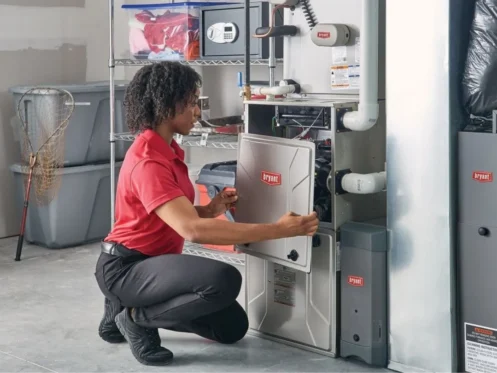
What is the average lifespan of a furnace? This is a question many homeowners in Greenwood Village, CO begin asking once their heating system starts showing its age or struggling during winter. When your furnace is responsible for keeping your home warm and safe through long cold seasons, knowing how long it should last helps you plan ahead and avoid sudden breakdowns. At Premier Heating and Air, we help homeowners understand their furnace condition and decide when furnace repair or replacement is the smartest move.
On average, a furnace should last between 15 and 20 years. However, that number is not automatic. The true lifespan depends on the type of furnace, how often it runs, how well it has been maintained, and whether problems are addressed early by a professional HVAC company.
Furnace Lifespan by System Type
Not all furnaces age the same way. The type of system in your home plays a major role in how long it will realistically last.
Gas Furnaces
Gas furnaces are the most common option in Greenwood Village homes. They typically last around 15 to 20 years. Because gas furnaces rely on combustion, burners, and heat exchangers, they experience more wear over time. Skipping annual maintenance or delaying furnace repair can shorten their lifespan quickly.
Electric Furnaces
Electric furnaces often last longer than gas systems, sometimes reaching 20 to 30 years. They have fewer moving parts and no combustion process. Even so, electrical components still require regular inspection and service to maintain efficiency and safety.
High Efficiency Furnaces
High efficiency furnaces can last just as long as standard models, but only when installed and maintained correctly. These systems use advanced components that improve comfort and energy savings, but they also require professional care to avoid early failure.
Why Greenwood Village Furnaces Wear Out Faster
Furnaces in Greenwood Village, CO face unique challenges due to climate and seasonal demand. Cold winters mean long run times and heavy workload on heating systems.
Several factors can shorten furnace lifespan locally:
Heavy Seasonal Use
During winter, furnaces often run for extended periods without rest. This constant operation increases wear on motors, blowers, and heat exchangers, especially in older systems.
Missed Maintenance
Annual furnace maintenance is one of the most important factors in longevity. When tune ups are skipped, small issues like dirty burners, airflow restrictions, or worn parts are allowed to grow into expensive problems. Furnaces that miss maintenance tend to fail earlier and cost more to operate.
Installation Quality
A furnace that is improperly sized or poorly installed will short cycle or overwork itself. This extra strain reduces efficiency and shortens system life. Premier Heating and Air ensures furnaces are installed correctly so homeowners get the full lifespan they expect.
Warning Signs Your Furnace Is Near the End
Even with good care, every furnace eventually shows signs of aging. Recognizing these warning signs early allows you to act before a complete breakdown occurs.
Common signs include:
-
Frequent furnace repair calls
-
Rising energy bills with no change in usage
-
Uneven heating or weak airflow
-
Loud or unusual noises
-
Short cycling or difficulty starting
If your furnace is over 15 years old and showing several of these symptoms, it is time for a professional inspection.
Furnace Repair vs Furnace Replacement
When homeowners ask how long should your furnace really last, they are often trying to decide whether it is still worth repairing. In many cases, furnace repair is the right choice, especially when the system is under 15 years old and the issue is minor.
A helpful guideline is the 50 percent rule. If a repair costs close to half the price of a new furnace and the system is nearing the end of its expected lifespan, replacement may be the better long term option. Premier Heating and Air provides honest recommendations so you can make the right decision without pressure.
Why Professional Furnace Service Matters
Furnaces involve gas, electricity, and combustion systems. Ignoring warning signs or attempting DIY fixes can create serious safety risks, including carbon monoxide exposure and system failure during extreme cold.
Premier Heating and Air provides thorough furnace inspections, accurate diagnostics, and reliable furnace repair. We evaluate system age, efficiency, and repair history so homeowners in Greenwood Village can make informed decisions based on facts, not guesswork.
Planning Ahead Saves Money and Stress
Knowing how long your furnace should last allows you to plan replacement on your timeline instead of reacting to an emergency failure during winter. Planning ahead helps you avoid emergency pricing, rushed decisions, and extended periods without heat.
Our team helps homeowners assess their current furnace and prepare for future needs with clear guidance and transparent options.
Why Greenwood Village Homeowners Choose Premier Heating and Air
Choosing the right HVAC company directly impacts how long your furnace lasts and how well it performs. Premier Heating and Air focuses on long term reliability, not temporary fixes.
We provide:
-
Honest furnace evaluations
-
Trusted furnace repair and replacement guidance
-
Preventive maintenance to extend system life
-
Local expertise tailored to Greenwood Village homes
Our goal is to keep your home warm, safe, and efficient through every Colorado winter.
Final Thoughts
So, what is the average lifespan of a furnace? Most furnaces should last 15 to 20 years, with electric models sometimes reaching 30 years when properly maintained. In Greenwood Village, CO, heavy winter use makes professional maintenance and timely furnace repair essential to reaching that full lifespan.
If your furnace is aging, inefficient, or showing warning signs, do not wait for a breakdown. Call Premier Heating and Air to evaluate your system and determine whether furnace repair or replacement is the best solution for your home.
Schedule your furnace repair today.
Read the full blog: What is the average lifespan of a furnace?
Watch our video: